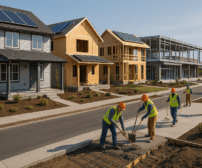


The global push toward sustainability is no longer a niche trend but a fundamental driver of innovation, especially within the realm of energy systems. However, the transition from fossil dependence to a renewable future faces a critical hurdle: our existing infrastructure was largely designed for a centralized, one-way flow of power. The true transformation, therefore, lies not just in generating clean energy but in seamlessly weaving these new energy systems into the very fabric of our built environment. This integration is the cornerstone of next-generation infrastructure development, demanding high-standard services that blend technical mastery with systemic thinking. It’s about creating a synergistic relationship where infrastructure and energy co-evolve.
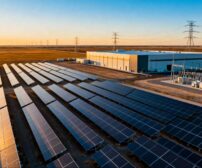
Traditional project approaches often treat power as a separate utility—a line item to be connected upon completion. This siloed method leads to inefficiencies, higher long-term costs, and missed opportunities for optimization. The modern paradigm, which we actively champion, involves designing the energy system concurrently with the infrastructure development. Imagine a new industrial park. Instead of just allotting space for a transformer, our integrated design would involve analyzing energy consumption patterns of future tenants, optimizing roof spaces and parking canopies for solar PV installation, designing a scalable micro-grid with battery storage for peak shaving and backup, and ensuring the electrical distribution backbone is smart-grid ready. This holistic planning, enabled by deep engineering support, turns a cost center into a value-generating asset, reducing operational expenses and enhancing energy security from day one.
This integration is particularly crucial for transportation and large-scale public infrastructure. Electric vehicle (EV) charging networks are a prime example. They are not merely a series of plugs; they are a complex energy system that impacts the local electrical grid. Our role involves conducting load management studies, designing scalable electrical substations, and even incorporating on-site renewable generation (like solar canopies) to offset demand. For water treatment plants or data centers—massive energy consumers—we design hybrid energy systems that may combine grid power, solar, and combined heat and power (CHP) units for maximum efficiency and resilience. This level of integration ensures that critical infrastructure remains operational during grid instability, a key aspect of community resilience.
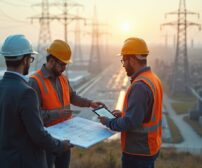
None of this is possible without comprehensive, front-to-back engineering support. Our engineers specialize in the intersection of civil, electrical, and power systems engineering. They perform detailed feasibility studies, dynamic modelling of energy flows, and lifecycle cost analyses to present the most technically sound and economically viable integrated solution. During construction, this same team provides oversight, ensuring that the installation of sophisticated energy systems meets the precise design specifications and interoperates perfectly with the core infrastructure.
Ultimately, the goal is to create assets that are sustainable, resilient, and economically intelligent. By refusing to view energy systems and infrastructure development as separate domains, we unlock a powerful synergy. We deliver high-standard services that provide our clients with a competitive edge: lower operational costs, future-proofed assets, compliance with evolving regulations, and a demonstrable commitment to sustainability. The energy transition is an infrastructure challenge, and through integrated design and expert engineering support, we are building the interconnected, powered landscape of the future.